Winter auto maintenance in Monument CO is not just a recommendation; it’s a necessity for every driver facing Colorado winter driving. The state’s unique climate brings a mix of snow, ice, and freezing temperatures that challenge even the most experienced motorists. Monument’s winter weather can be particularly harsh, with rapid temperature drops, icy roads, and unexpected snowstorms creating hazardous conditions.
Why is winter auto maintenance crucial for Colorado drivers?
- Ensures vehicle safety by reducing the risk of accidents on slippery and unpredictable roads
- Enhances reliability to prevent breakdowns in freezing temperatures
- Improves overall vehicle performance during the cold season
Addressing these challenges means preparing your car with specific care routines tailored for winter. This article presents the top 5 winter maintenance tips designed to keep your vehicle safe and dependable throughout the season. From tire care to emergency kits, these car maintenance tips focus on practical actions every Monument driver can take before the cold sets in.
What you will learn:
- How to optimize tire performance for snow and ice
- Ways to check and maintain battery health in freezing weather
- The importance of fluid inspections and using winter-grade products
- Brake system evaluations critical for stopping safely on slick surfaces
- How to assemble an emergency road trip kit tailored for Colorado winters
Following these guidelines will equip you with essential knowledge and tools to navigate Monument’s winter roads confidently.
1. Tire Care for Winter Driving
Winter driving in Monument, CO requires special attention to your tires. Snow, ice, and freezing temperatures create dangerous road conditions that need optimal traction and control.
Why winter or all-weather tires?
- Winter tires are designed with softer rubber compounds that stay flexible in cold weather, improving grip on snow and ice.
- Tread patterns on winter tires channel slush and water away from the tire surface, reducing hydroplaning risks.
- All-weather tires offer versatility but may not match the performance of dedicated winter tires in extreme conditions.
Tire pressure and cold weather prep
- Cold air contracts, causing tire pressure to drop by about 1 psi for every 10°F decrease in temperature.
- Underinflated tires lead to poor handling, increased wear, and higher risk of punctures or blowouts.
- Check tire pressure weekly during the winter months using a reliable gauge; adjust it to the manufacturer’s recommended PSI when tires are cold.
Checking tire tread depth
- Adequate tread depth is critical to maintaining traction on slick surfaces.
- The legal minimum tread depth is 2/32 inch, but for winter safety, aim for at least 4/32 inch.
- Use a tread depth gauge or perform the penny test: insert a penny into the tread groove with Lincoln’s head upside down—if you see the top of his head, it’s time to replace your tires.
Local services and DIY options
- Tri-Lakes Service Center in Monument specializes in winter tire inspections and replacements. Professional technicians can assess tread wear, check for damage, balance wheels, and install new sets efficiently.
- For those who prefer hands-on care, many auto parts stores provide free tire pressure checks and sell gauges along with replacement valves and seasonal tire storage solutions.
Proper tire care sets the foundation for vehicle safety during Colorado’s challenging winters.
2. Battery Health Checks to Prevent Breakdowns
Winter in Monument, CO, pushes car batteries to their limits. Freezing temperatures reduce a battery’s capacity and performance significantly. A battery that works fine in mild weather may struggle or fail when the mercury drops below freezing.
Why cold weather strains your battery:
- Chemical reactions inside the battery slow down as temperatures fall, cutting power output by up to 50%.
- Engine oil thickens in cold air, demanding more power to start the engine.
- Electrical systems draw more energy with heaters, defrosters, and lights running longer.
Ignoring these factors leads to unexpected breakdowns on icy roads—situations no driver wants.
Signs Your Battery Needs Attention Before Winter
Watch for these red flags indicating your battery’s health is declining:
- Slow engine crank or difficulty starting.
- Dim headlights or electrical accessories functioning weakly.
- Corrosion on battery terminals or cracked casing.
- Age over three years without a recent check.
A failing battery can leave you stranded in freezing conditions. Catching problems early helps maintain reliability and safety.
Essential Cold Weather Battery Testing and Maintenance
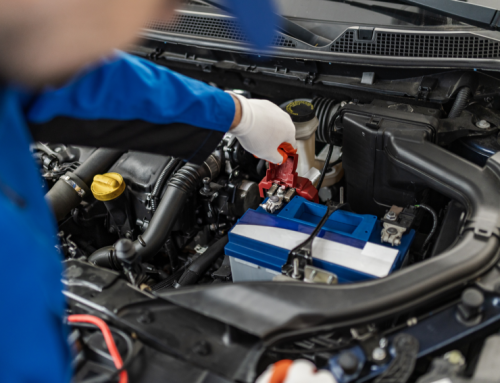
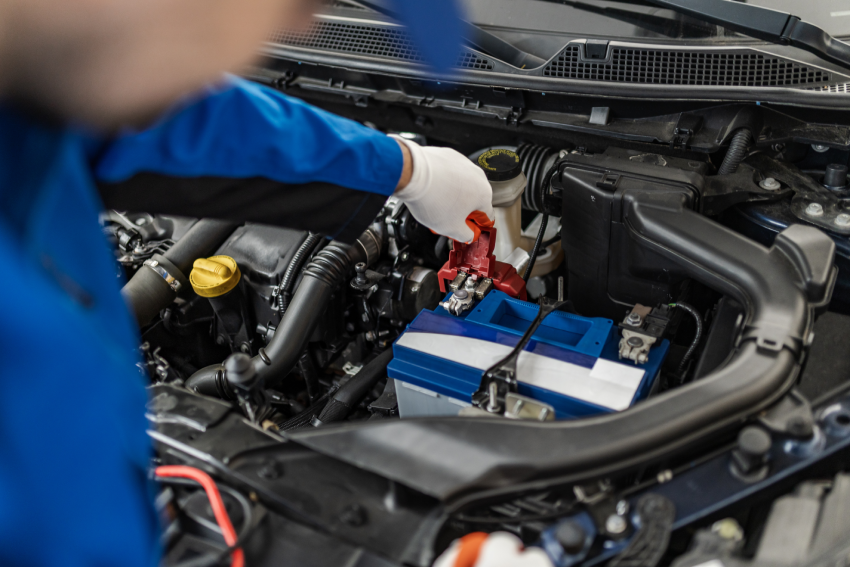
Local auto shops in Monument offer specialized cold weather battery testing designed to simulate winter conditions. These tests provide accurate assessments of your battery’s ability to deliver power when it matters most.
Preventive measures include:
- Cleaning terminals and applying protective sprays to prevent corrosion.
- Ensuring tight cable connections for optimal current flow.
- Checking alternator output to keep the battery charged properly.
- Replacing batteries showing signs of weakness before winter sets in.
Battery Replacement Tips
Selecting the right replacement battery involves considering cold cranking amps (CCA), reserve capacity, and size compatibility with your vehicle. A higher CCA rating ensures better starting power in low temperatures.
Professional service centers specializing in car battery maintenance Monument CO can guide you through choosing and installing a reliable unit tailored for Colorado winters. DIY replacements are possible but require attention to safety and proper disposal of old batteries.
Taking proactive steps with your car’s electrical system reduces the risk of winter breakdowns and keeps your vehicle ready for Monument’s challenging seasonal weather.
3. Essential Fluid Inspections and Upgrades
Winter auto maintenance in Monument CO requires special attention to your vehicle’s fluids. These liquids are crucial for protecting engine parts, maintaining performance, and ensuring visibility during harsh winter conditions.
Antifreeze Levels Check: Shielding Your Engine from Freezing Damage
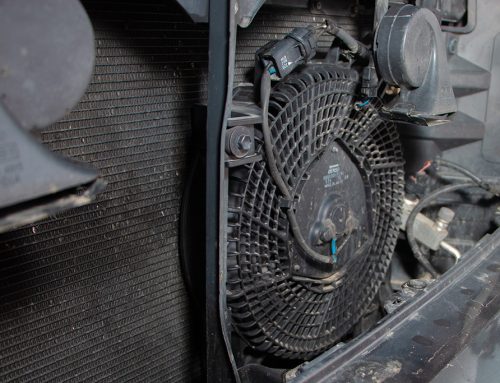
Antifreeze, or coolant, prevents the engine’s internal components from freezing and cracking when temperatures drop well below zero. Maintaining the correct antifreeze levels is vital for:
- Protecting the radiator and engine block from ice formation.
- Preventing overheating by regulating engine temperature even in cold weather.
- Ensuring proper circulation of coolant throughout the engine system.
A simple antifreeze levels check can be done at local service centers or via DIY kits. Look for signs like discolored or rusty coolant, which may indicate contamination requiring a flush and refill with fresh antifreeze.
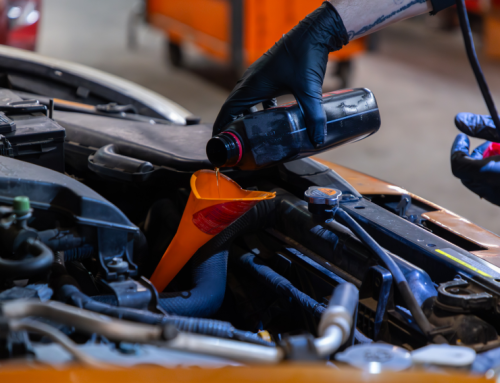
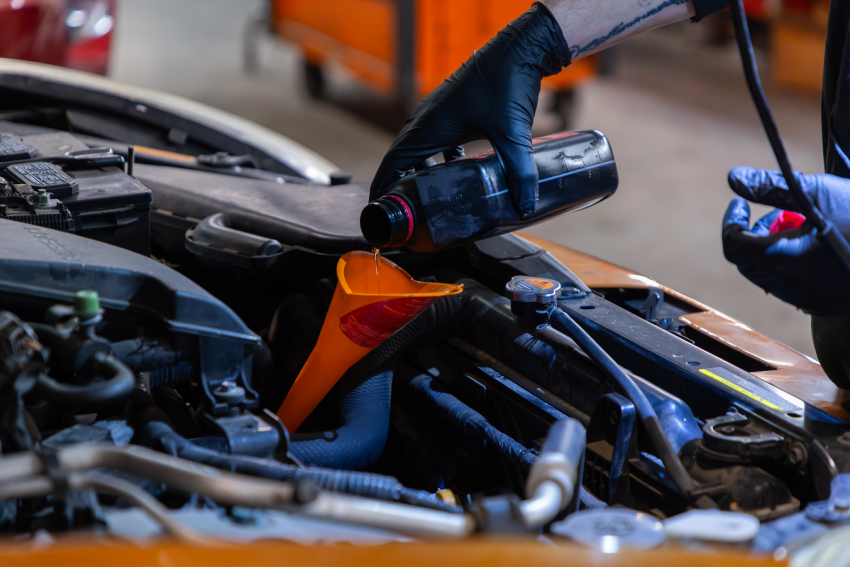
Winter-Grade Engine Oil: Enhancing Efficiency in Low Temperatures
Standard motor oils thicken as temperatures drop, making it harder for your engine to start and run efficiently. Winter-grade engine oils have a lower viscosity suitable for cold climates, offering benefits such as:
- Faster lubrication during cold starts.
- Reduced engine wear caused by thickened oil.
- Improved fuel efficiency under low-temperature conditions.
Switching to winter-grade oil is highly recommended before Monument’s first freeze. Most local auto shops offer this service and can advise on the best oil type based on your vehicle’s specifications.
Windshield Washer Fluid Freezing Point: Keeping Visibility Clear
Clear visibility is non-negotiable when navigating snow or ice storms. Regular windshield washer fluid often freezes in subzero temperatures, rendering it ineffective just when you need it most. Winter-specific washer fluids are formulated with lower freezing points, enabling them to:
- Melt road salt and grime effectively.
- Prevent nozzle clogs caused by frozen fluid.
- Enhance driver safety by maintaining a clean windshield under extreme weather.
Check the label on your washer fluid container to ensure it meets freezing point requirements suited for Colorado winters. Refill or replace as part of your winter auto maintenance routine.
Proper care of antifreeze levels, engine oil type, and windshield washer fluid helps maintain critical functions of your vehicle during Monument’s challenging winter months. These fluid checks prevent costly repairs and keep you safe on icy roads ahead.
4. Brake System Inspection for Safe Winter Driving
Winter driving demands reliable braking performance, especially on icy and snow-covered roads common in Monument, CO. The effectiveness of your brakes directly influences your ability to stop safely and avoid accidents when traction is limited.
Why Brakes Matter in Winter Conditions
Slippery surfaces reduce tire grip, increasing stopping distances.
Quick, controlled stops require responsive brake systems that work well even under stress.
Malfunctioning or worn brakes can cause skidding or loss of vehicle control.
Signs Your Brakes Need Attention
Identifying worn brake components early helps prevent dangerous situations on the road. Watch for these indicators:
- Squealing or grinding noises when applying brakes signal worn brake pads.
- Vibrations or pulsing felt through the brake pedal may indicate warped rotors.
- Longer stopping distances or a soft brake pedal suggest diminished braking power.
- Warning lights on your dashboard related to the brake system require immediate inspection.
Importance of Routine Brake Inspections in Monument, CO
Local winter conditions make timely brake inspections essential. Before the first snowfall:
Schedule a brake inspection near Monument CO service at Tri-Lakes Service Center – your local trusted auto shop familiar with our winter challenges.
A professional technician will assess:
- Brake pad thickness and wear levels
- Rotor condition for warping or damage
- Brake fluid quality and levels
- Overall system responsiveness
Brake Pad Replacement: Key to Safe Braking on Ice and Snow
Brake pads wear down over time, reducing friction needed to slow the vehicle effectively. Replacing pads before severe winter weather arrives ensures:
- Maximum braking force in low-traction scenarios
- Reduced risk of brake fade during repeated stops
- Enhanced confidence when navigating icy patches or steep inclines
Maintaining your brake system proactively supports safer winter driving by ensuring your vehicle responds as expected when every inch counts.
5. Preparing an Emergency Winter Road Trip Kit
Winter in Colorado can be unpredictable. Even the most cautious driver may face unexpected roadside situations. A well-prepared winter emergency kit car is a must for road trip safety cold weather conditions.
Must-Have Items for Your Winter Emergency Kit
- Blankets or Sleeping Bags: Provide warmth if you get stranded and need to wait for help.
- Flashlight with Extra Batteries: Essential for visibility during nighttime or low-light emergencies.
- Non-perishable Food and Water: High-energy snacks like granola bars and bottled water help maintain energy and hydration.
- Shovel: Useful for digging out snow around tires or clearing a path.
- Ice Scraper and Snow Brush: Keep your windshield clear of ice and snow buildup.
- Jumper Cables or Portable Jump Starter: Cold weather can drain your battery quickly; these tools help restart it.
- First Aid Kit: Treat minor injuries that might occur while waiting for assistance.
- Warm Clothing, Gloves, Hat, and Waterproof Boots: Protect yourself from exposure when outside the vehicle.
- Sand, Cat Litter, or Traction Mats: Improve tire grip if stuck on icy or snowy surfaces.
- Portable Phone Charger/Power Bank: Keep your communication devices powered in case of emergencies.
Tips for Assembling a Compact Yet Comprehensive Kit
Colorado winters demand a kit designed specifically for cold weather challenges. Follow these recommendations:
- Use a durable, waterproof container to protect supplies from moisture and damage.
- Prioritize multi-purpose items to save space without sacrificing readiness.
- Regularly check expiration dates on food, batteries, and medications.
- Customize the kit based on your typical travel routes; mountainous areas may require additional gear like tire chains.
- Keep the kit easily accessible inside your vehicle, preferably in the trunk or backseat area.
- Update the kit seasonally to replace used items or add new essentials discovered through experience or local advice.
Having an essential winter supplies vehicle package ready increases confidence behind the wheel. It prepares drivers not just for Monument’s typical snowfalls but also unexpected storms that can arise anywhere in Colorado’s diverse terrain. A small investment in preparation pays dividends when facing winter’s harshest moments on the road.
Conclusion
Safe winter driving in Colorado requires proactive winter car care. The challenges of Monument’s winter weather need more than cautious driving—they require thorough vehicle preparation.
Tri-Lakes Service Center in Monument offers expert help to make sure your vehicle can handle snow, ice, and freezing temperatures. By using our professional inspections and maintenance services, you can:
- Find problems early before they become expensive issues
- Get access to specialized winter-grade parts and fluids
- Receive personalized advice specific to Monument CO vehicle safety tips
Remember, preparation is prevention. A well-maintained car with the right tires, fluids, battery care, brakes, and emergency kit gives you confidence and security on the road. Winter auto maintenance near Monument CO is not just a suggestion—it’s an essential practice to protect yourself, your passengers, and others sharing Colorado’s roads.
Take action today. Make your vehicle ready for winter with our trusted local experts. Follow these top 5 maintenance tips and drive through Monument’s winters worry-free.