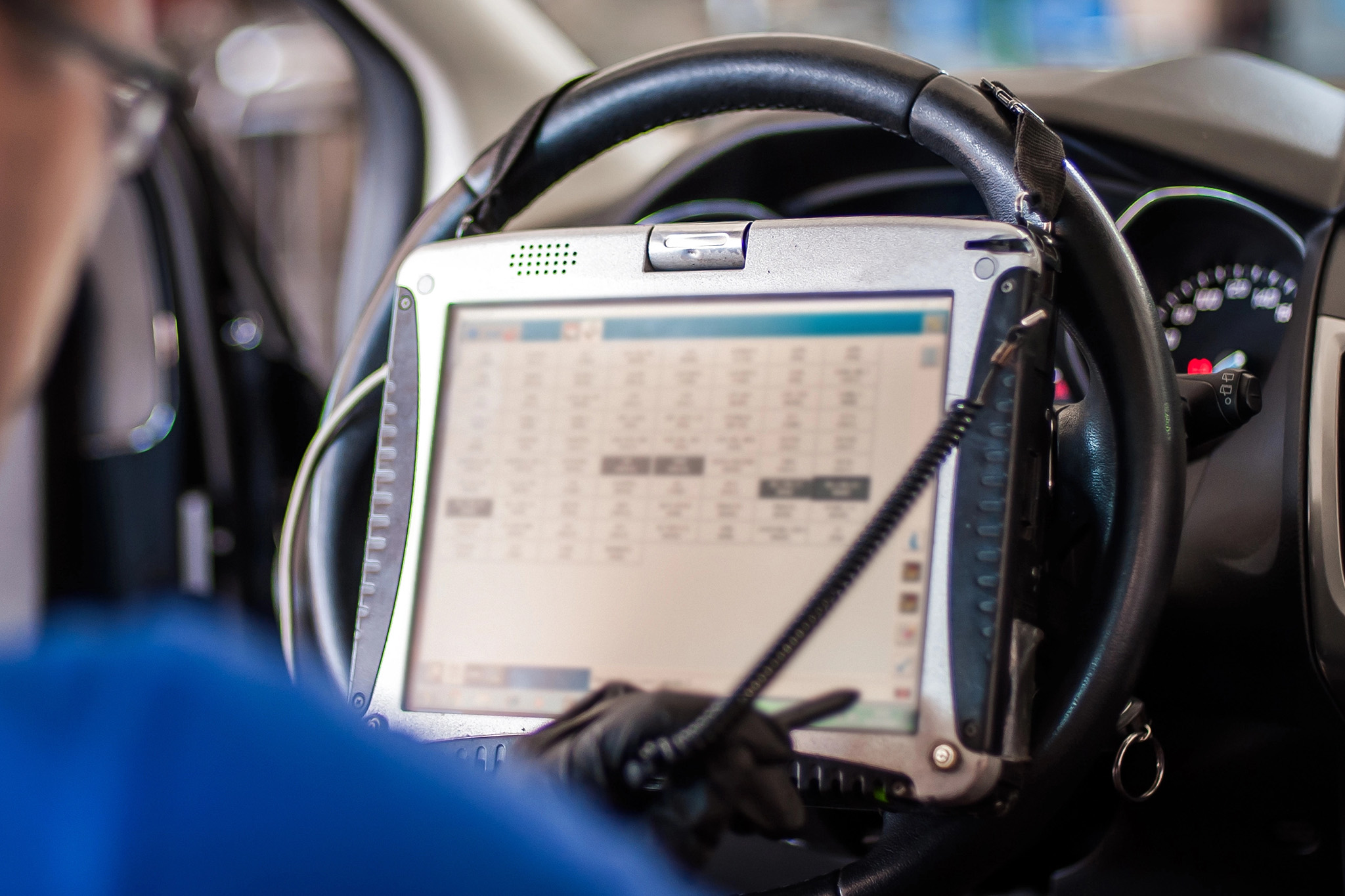
What a Multi-Point Vehicle Inspection Covers
Our comprehensive inspection examines all major vehicle systems. Here’s what our technicians evaluate:
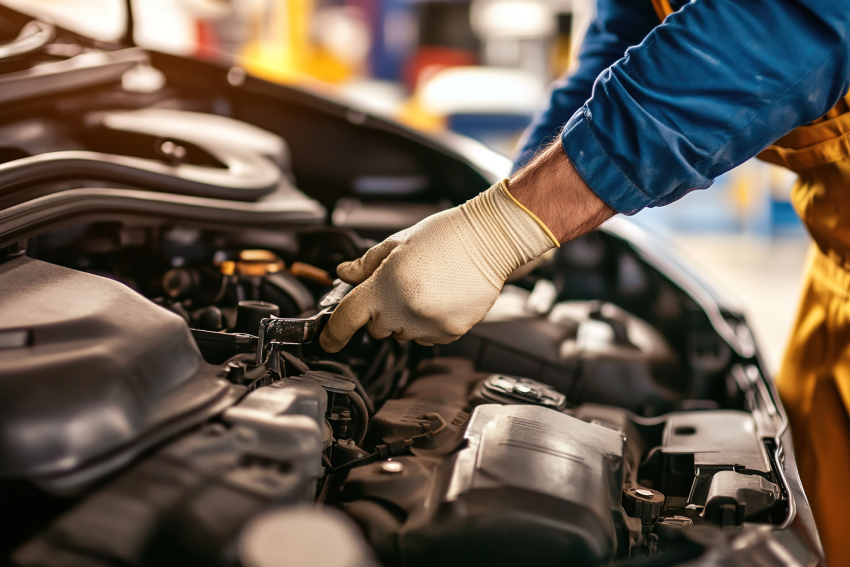 Under the Hood
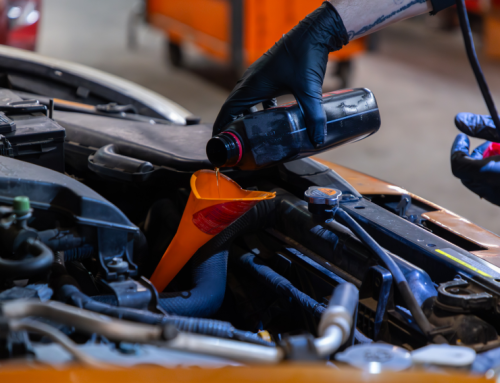
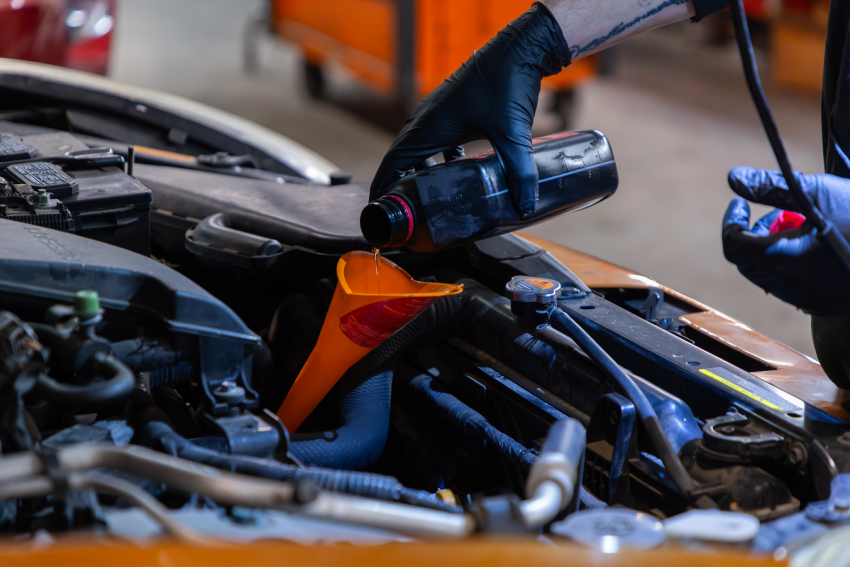
- Engine oil level and condition
- Coolant level and freeze protection
- Brake fluid level and moisture content
- Power steering fluid (where applicable)
- Battery condition and terminal corrosion
- Drive belts for cracking, glazing, or fraying
- Radiator hoses for swelling, softness, or leaks
- Air filter condition
Brakes and Suspension
- Front and rear brake pad thickness
- Rotor condition and thickness measurement
- Brake caliper operation
- Shock and strut performance
- Tie rod ends and ball joints
- CV axle boot condition
Tires and Wheels
- Tread depth on all four tires and spare
- Sidewall condition and tire age
- Inflation pressure
- Visible wheel damage
Lighting and Electrical
- All exterior lights (headlights, taillights, brake lights, signals)
- Dashboard warning lights and fault codes
- Wiper blade condition
Underbody and Exhaust
- Exhaust system for leaks, rust, or loose hangers
- Fuel and brake lines for corrosion or wear
- Frame and underbody for visible damage
Preventive Maintenance Schedules: The Mileage Guide
Regular inspections are most effective when paired with a maintenance schedule. Here’s a general framework for Tri-Lakes area drivers:
Every 5,000–7,500 miles:
- Oil and filter change
- Tire rotation
- Multi-point safety inspection
Every 15,000–30,000 miles:
- Air filter replacement
- Cabin air filter replacement
- Brake fluid inspection or flush
- Fuel system inspection
Every 30,000–60,000 miles:
- Coolant flush
- Transmission fluid service
- Spark plug replacement (varies by vehicle)
- Drive belt inspection or replacement
Every 60,000–100,000 miles:
- Timing belt replacement (interference engines)
- Differential fluid service
- Complete brake system overhaul (as needed)
Your vehicle’s owner’s manual is the authoritative source for model-specific intervals. Our technicians can also pull your vehicle’s service history and help you identify what’s due.
Seasonal Inspections Matter in Colorado
Pre-Winter Check
Before the first snow hits Monument Hill, a fall inspection makes sense. We check:
- Battery cold-cranking amps (batteries fail more often in cold weather)
- Antifreeze protection level
- Tire tread depth and whether all-season tires are still adequate
- Four-wheel or all-wheel drive engagement
- Wiper blades and washer fluid
Spring Inspection
After a Colorado winter, the underside of your vehicle has been exposed to road salt, sand, and temperature extremes. A spring inspection catches rust beginning on brake lines, alignment knocked off by frost heaves, and tires worn unevenly by winter driving patterns.
How We Prioritize What We Find
Not every inspection finding is an emergency. We rank findings in three categories:
- Immediate safety concern — requires attention now; we’ll explain why and give you options
- Service due soon — schedule within the next 30–60 days or before a long trip
- Monitor and track — not critical now, but worth watching at the next service
You’ll leave with a written report so you can plan and budget accordingly. No surprises, no pressure — just the information you need to make good decisions about your vehicle.
While you’re in, ask us about combining your inspection with oil change services, brake inspection, or engine diagnostics. If your transmission is overdue for service, we can check that too — see our transmission service page for details. Ready to get started? Book your inspection online today.
Schedule Your Vehicle Inspection in Larkspur or Monument
Whether you’re buying a used vehicle, preparing for a Colorado road trip, or just staying on top of your maintenance schedule, a comprehensive inspection is the right first step. Schedule your comprehensive vehicle inspection today — early detection saves you money and keeps you safer on every road between here and Colorado Springs.