Welcome to all drivers in Monument, CO. At Tri-Lakes Service Center, we proudly serve as your local experts in brake repair in Monument CO, committed to keeping you safe on the road. Winter driving presents unique challenges that put extra strain on your vehicle’s braking system. Snow, ice, and freezing temperatures reduce traction and increase stopping distances, demanding optimal brake performance.
Recognizing the signs of brake failure early can be lifesaving during these harsh conditions. Ignoring warning signals may lead to dangerous situations on icy roads or costly repairs down the line.
This article covers essential topics every winter driver needs to know:
- Common signs indicating your brakes may be failing
- How icy roads specifically affect braking performance
- Practical tips for maintaining brake safety throughout the cold season
Stay informed, stay safe, and ensure your vehicle is ready to handle Monument’s winter roads with confidence.
Understanding Winter Driving Challenges in Monument, CO
Monument, CO experiences a variety of winter weather conditions that directly impact winter car safety Monument CO. Drivers face snow, freezing rain, and ice throughout the season. Each condition creates unique challenges for vehicle control and braking performance.
Effects of Winter Weather on Driving
Here’s how each winter weather condition affects driving:
- Snow: Snow covers road surfaces unevenly, hiding ice patches and reducing tire traction. Snow accumulation forces drivers to adjust speed and increase stopping distances.
- Sleet: Sleet combines rain and ice pellets, creating slick surfaces that make tires more prone to slipping.
- Freezing rain: Freezing rain coats roads with a thin layer of transparent ice one of the most dangerous hazards for icy road braking.
- Ice: Ice, especially black ice, is often invisible but drastically reduces friction between tires and pavement.
Impacts on Stopping Distances
These hazardous road surfaces reduce tire grip, meaning your vehicle needs more space and time to come to a complete stop. Stopping distances can increase by two or three times compared to dry conditions, making reactive or abrupt braking dangerous.
Importance of Smooth Driving Techniques
Smooth driving techniques become essential:
- Gradual slowing helps maintain traction by avoiding sudden changes in speed.
- Avoiding quick or hard braking prevents wheels from locking or skidding.
- Maintaining steady pressure on the brake pedal allows anti-lock braking systems (ABS) to function effectively.
- Steering gently around curves reduces chances of sliding off the road.
Mastering these habits improves control on slippery roads and reduces risks of accidents caused by loss of traction. Understanding how winter weather affects your vehicle’s interaction with pavement puts you in a safer position behind the wheel throughout Monument’s challenging season.
How Icy Roads Affect Your Braking System
Icy roads present unique challenges that directly impact vehicle safety. Ice creates a slippery surface that significantly reduces the grip between tires and the road. When braking on ice, wheels are more likely to lock up or skid compared to dry or even snowy pavement. This loss of traction means your vehicle takes longer to stop and becomes harder to control.
Role of Anti-lock Braking Systems (ABS)
Anti-lock Braking Systems are designed to prevent wheel lockup during sudden or hard braking. ABS quickly adjusts the brake pressure on each wheel, allowing them to keep spinning instead of freezing in place. This helps you maintain steering control and reduces the risk of skidding out of control on slippery surfaces.
Here’s how ABS works:
- ABS monitors wheel speed sensors.
- It releases and reapplies brake pressure multiple times per second.
- Helps driver maintain directional stability during emergency stops.
Limitations of ABS Performance on Ice
Even with ABS, icy roads remain a significant danger. The system cannot create more grip where there is none; it can only make the most of the available traction. On black ice or heavily iced surfaces, ABS may not stop sliding but will help you maintain some steering control.
Proper technique when using ABS includes:
- Applying firm, steady pressure on the brake pedal — do not pump the brakes manually.
- Allowing the system to work automatically without releasing pressure.
- Steering gently to avoid overcorrecting during a skid.
Winter braking challenges require respect for these limitations. Drivers should not rely solely on technology but combine it with cautious driving habits adapted for low-traction conditions. Understanding how icy roads affect your braking system prepares you to react safely if you encounter unexpected slips or skids.
This knowledge goes hand in hand with recognizing key signs your brakes may be failing this winter, helping you stay safe throughout Monument’s harsh season.
Key Signs Your Brakes May Be Failing This Winter
Winter conditions put extra stress on your vehicle’s braking system. Recognizing signs of brake failure early can prevent accidents and costly repairs. If you notice any of the following warning signals, it’s time to schedule a professional brake inspection for winter driving at Tri-Lakes Service Center.
1. Squealing or Grinding Noises
High-pitched squeals often indicate worn brake pads. When pads wear thin, metal components may contact the rotors, causing grinding sounds. This not only reduces braking effectiveness but also damages rotors, leading to expensive repairs. Snow, ice, and road salt accelerate pad wear during winter months.
2. Vibration or Pulsation in Pedal or Steering Wheel
Warped brake rotors cause uneven contact with brake pads, resulting in a pulsing sensation through the brake pedal or steering wheel when stopping. Winter’s frequent temperature fluctuations can contribute to rotor warping. Ignoring this symptom compromises smooth braking and control.
3. Soft or Spongy Brake Pedal Feel
A pedal that feels soft or sinks closer to the floor may signal air trapped in brake lines or fluid leaks. Cold weather can cause seals and hoses to contract, increasing risk of leaks. Reduced hydraulic pressure affects stopping power and demands immediate attention.
4. Vehicle Pulling to One Side During Braking
Uneven braking force caused by sticking calipers or imbalanced brake pressure makes your vehicle drift left or right when applying brakes. Ice and salt buildup increase the chances of caliper corrosion and malfunction during winter driving.
5. Burning Smell After Repeated Braking
Overheated brakes emit a distinct burning odor, often noticeable after driving downhill or stop-and-go traffic on icy roads. Excessive heat damages brake components and reduces efficiency, risking failure if unchecked.
6. Dashboard Warning Lights
Warning indicators like ABS or general brake system alerts serve as a direct message from your vehicle’s onboard diagnostics about potential faults. Never ignore these signals; they flag issues requiring immediate professional evaluation.
These key signs highlight common problems specific to winter driving challenges in Monument, CO. Prompt attention ensures safety on snow-covered roads and prevents emergency situations caused by compromised brakes. For expert evaluation and dependable brake repair in Monument CO, trust Tri-Lakes Service Center for thorough inspections tailored to harsh winter conditions.
Why Regular Brake Inspections Are Crucial Before and During Winter
Winter driving demands peak brake performance. Scheduling a professional brake inspection at Tri-Lakes Service Center before the cold weather hits is essential. Our experienced technicians understand the unique challenges Monument, CO winters pose, including snow, ice, and freezing temperatures that accelerate wear on brake components.
A thorough brake inspection involves:
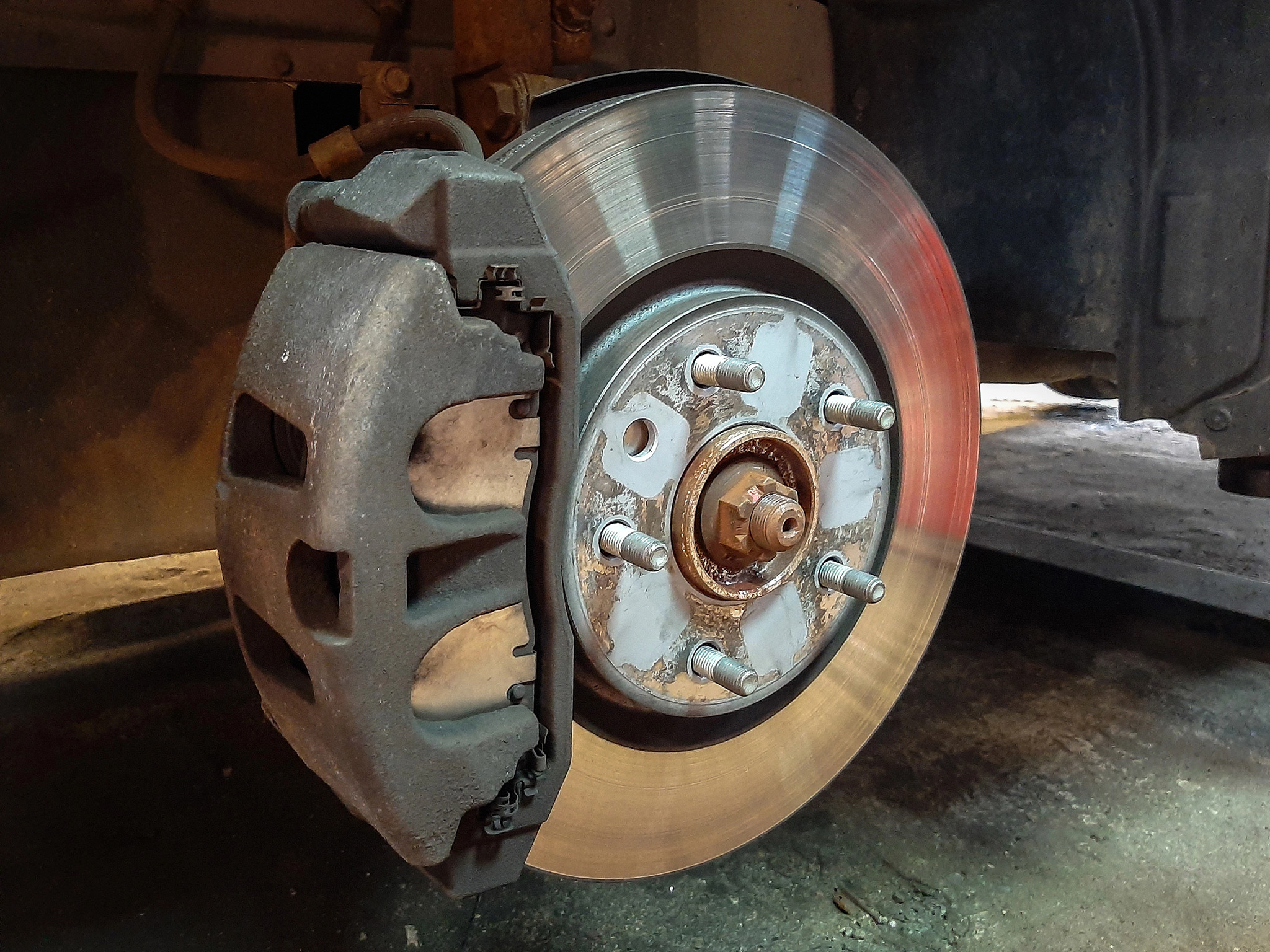
- Pad Wear Assessment: Checking the thickness and condition of brake pads to ensure they have sufficient material to stop your vehicle safely. Thin or glazed pads can compromise braking efficiency, especially on slick roads.
- Rotor Condition Evaluation: Inspecting rotors for warping, cracks, or excessive wear. Damaged rotors increase stopping distances and can cause vibrations or noise during braking.
- Brake Fluid Check: Measuring fluid levels and testing for moisture contamination. Water in the brake fluid lowers boiling points, risking vapor lock and reduced braking power in demanding winter conditions.
- System Integrity Review: Examining calipers, lines, hoses, and ABS sensors for leaks, corrosion, or malfunctions that could impair brake response when you need it most.
Early detection of issues during these inspections prevents costly repairs down the line. Addressing minor problems now protects your budget and ensures reliable stopping power on icy roads where every inch counts.
Regular maintenance supports winter car safety maintenance goals by maintaining optimal brake function throughout the season. Waiting until warning signs appear can lead to dangerous situations or complete brake failure. Scheduling periodic inspections during winter keeps brakes performing properly despite harsh conditions.
Trusting Tri-Lakes Service Center for your brake repair near Monument CO needs means expert care tailored to local climate challenges. Our proactive approach helps drivers stay safe no matter how snowy or icy Monument roads become.
Safe Winter Driving Tips to Protect Your Brakes and Yourself
Winter driving requires extra caution. Changing the way you brake can greatly lower the chances of accidents and extend the life of your brakes. Here are some important winter car safety tips Monument drivers trust:
1. Drive smoothly without sudden movements.
Avoid making abrupt turns or sudden stops as they can lead to loss of traction on icy or snowy roads. Instead, focus on maintaining steady and controlled movements to keep your tires firmly gripping the surface and prevent skidding.
2. Slow down gradually well before stops rather than slamming brakes.
Instead of waiting until the last moment to apply your brakes, start slowing down early by gently pressing the brake pedal. This gives your vehicle more time to slow down safely and reduces the risk of skidding or locking up wheels (if you don’t have ABS) when stopping.
3. Maintain a longer following distance—6 seconds or more—to increase stopping time.
On slippery roads, it takes longer for vehicles to come to a complete stop. By keeping a safe distance of at least six seconds between you and the vehicle in front of you, you allow yourself enough time to react if they suddenly slow down or stop.
These safe braking techniques required during winter conditions not only protect you but also help reduce wear and overheating of your brake components. Being aware of road conditions and staying calm in your responses will enhance both your personal safety and the longevity of your brake system.
By being mindful of how you brake during Monument’s winter months, you’ll be better equipped to navigate through snow-covered streets or icy patches with confidence.
Why Choose Tri-Lakes Service Center for Brake Repair in Monument CO?
Tri-Lakes Service Center is the trusted choice for brake repair Monument CO drivers rely on throughout the challenging winter months. Our deep understanding of Monument’s unique winter climate allows us to address brake issues caused by snow, ice, and freezing temperatures with precision.
Expertise in Winter-Related Brake Problems
Our team has extensive knowledge and experience in dealing with brake problems that arise specifically during winter conditions. We understand how cold weather affects various components of the braking system, such as pads, rotors, and fluid. This expertise enables us to diagnose subtle signs of wear that can become critical on icy roads and implement proven techniques tailored to maintain optimal braking performance despite slippery conditions.
Certified Technicians Committed to Safety
At Tri-Lakes Service Center, we prioritize safety above all else. That’s why every vehicle that comes in for brake repair in Monument CO undergoes a thorough inspection by our team of certified technicians. These specialists have honed their skills through years of training and hands-on experience, ensuring comprehensive evaluations that cover:
- Pad thickness and rotor integrity
- Brake fluid condition and levels
- Functionality of anti-lock braking systems (ABS)
- Caliper operation and brake line health
This detailed approach guarantees your vehicle’s braking system remains dependable all winter long.
Comprehensive Repairs Backed by Quality
We believe in using only the best when it comes to repairs. That’s why at Tri-Lakes Service Center, we source high-quality parts designed specifically to withstand Monument’s harsh winter environment. Whether it’s replacing worn brake pads or servicing the entire system, our goal is always the same – restoring your brakes to peak condition quickly and efficiently.
Choosing Tri-Lakes Service Center means choosing peace of mind. Our commitment goes beyond simple repairs; it’s about ensuring your safety every time you drive on snowy or icy roads. Trust our reliable brake services Monument CO residents count on year after year to keep their vehicles stopping safely when it matters most.
Schedule Your Winter Brake Inspection Today!
Don’t wait for brake issues to escalate. Early detection and maintenance are key to safe driving in Monument’s harsh winter conditions. Protect yourself, your passengers, and your vehicle by scheduling a professional brake inspection at Tri-Lakes Service Center.
Take action now:
- Visit our Brake Services page to explore the full range of brake repair options available in Monument CO.
- Easily schedule a brake inspection online or contact us by phone for personalized assistance.
- Benefit from expert diagnostics and repairs performed by certified technicians familiar with winter-related brake challenges in Monument.
Your safety is our priority. Don’t delay—schedule brake inspection near Monument CO today and drive with confidence all winter long. For reliable brake services Monument CO contact Tri-Lakes Service Center now!