School routines mean more short trips, more stop-and-go around drop-off lines, and more early-morning cold starts than summer driving does. A car that ran fine all summer can start showing small issues once that pattern shifts. School routines mean more short trips, more stop-and-go around drop-off lines, and more early-morning cold starts than summer driving does. A car that ran fine all summer can start showing small issues once that pattern shifts.
Brakes: More Stopping, More Often
Drop-off and pickup lines mean a lot of low-speed stopping and starting, which is different wear than highway driving. If you noticed any brake softness or noise over the summer and put it off, the start of the school year routine is a reasonable point to get it checked before it's a daily habit you're driving around.
Tires: Cooler Mornings Change Pressure
As overnight temperatures start dropping into fall, tire pressure drops with them — roughly one PSI for every ten-degree drop. A tire that was properly inflated in August can be noticeably low by late September without anything else changing.
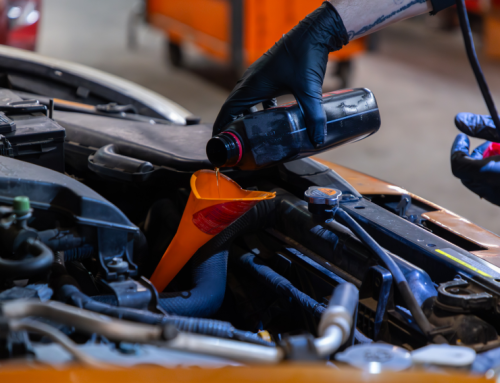
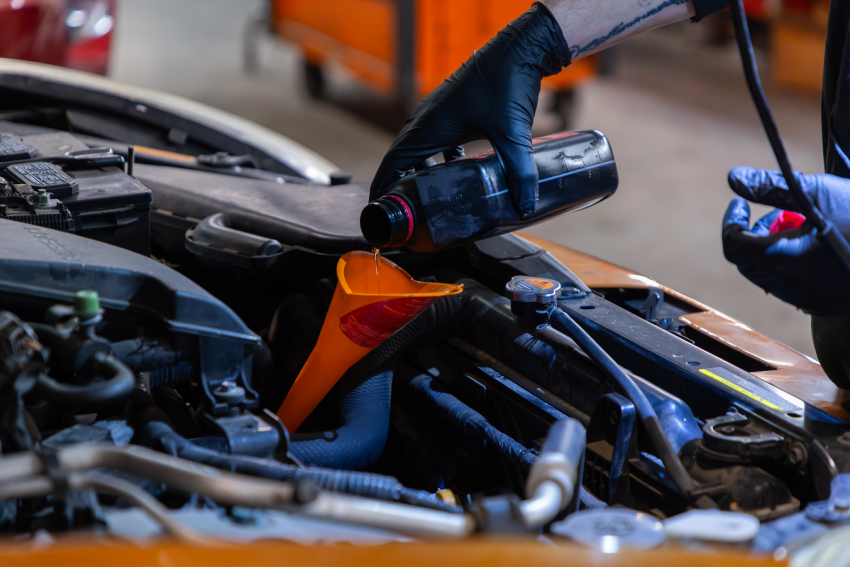
Oil: If You Haven't Since Spring, It's Time
Most vehicles need an oil change roughly every 5,000 to 7,500 miles, and a summer of road trips or regular driving can put a car past that interval without it being obvious. Fall is a natural checkpoint to confirm you're still in range.
Visibility Matters More With Shorter Days
Mornings and evenings get darker faster starting in September, and drop-off/pickup lines often happen right at those darker hours. Worn wiper blades and headlights that have dimmed with age both matter more once you're driving in lower light more often.
The Short Version
A brake check, a tire pressure check, confirming your oil change interval, and a look at your wipers and headlights cover most of what changes for family driving this time of year. None of it takes long, and all of it matters more once the school routine starts.