An overheating car in summer traffic isn't random bad luck. It's usually a cooling system that was already running on borrowed time, and heat plus stop-and-go driving is what finally exposes it.
Why Traffic Makes It Worse
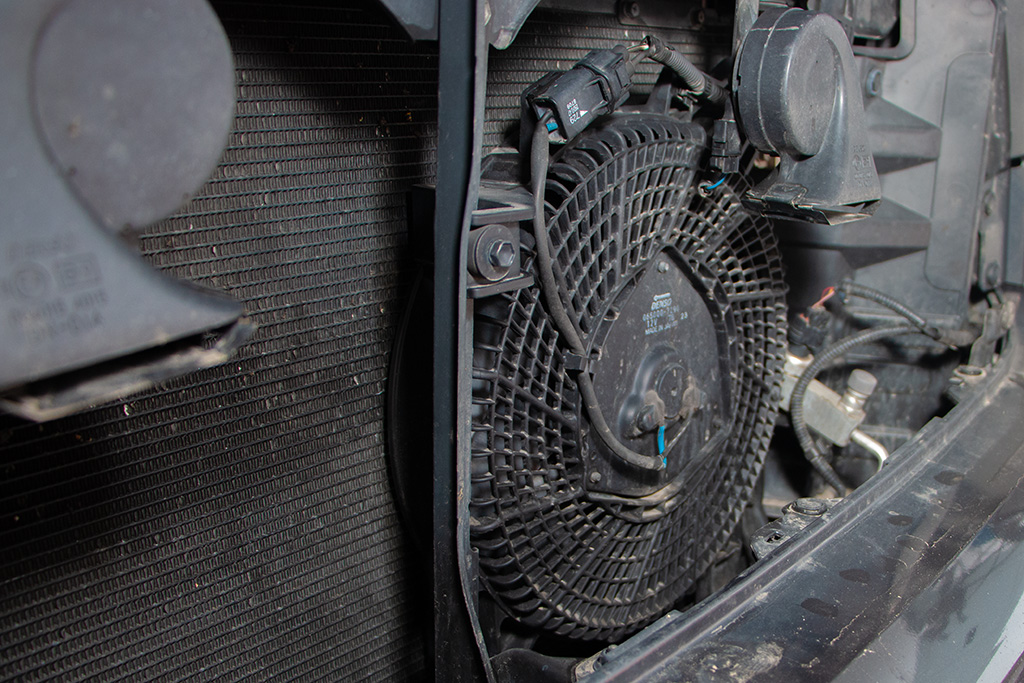
Highway driving keeps air moving through your radiator constantly. Stop-and-go traffic doesn't, which means your engine relies almost entirely on the fan and coolant flow to manage heat instead of getting help from airflow. A cooling system with old coolant, a slipping fan clutch, or a partially clogged radiator can handle highway speeds fine and still overheat sitting in traffic on a 90-degree day.
What Coolant Actually Does Over Time
Coolant isn't just antifreeze. It contains corrosion inhibitors that protect the radiator, water pump, and engine block from the inside, and those inhibitors break down over time even if the coolant still looks fine. Once they're gone, internal corrosion can build up and reduce how efficiently heat transfers out of the engine, well before you'd ever see a leak.
The Warning Signs Before the Red Light
A temperature gauge creeping higher than usual in traffic, a faint sweet smell (that's coolant), or heat coming from the vents even with the AC on are all signs worth acting on immediately. By the time the temperature warning light comes on, you're already at the point where continuing to drive can cause real engine damage.
What a Fluid Flush Actually Fixes
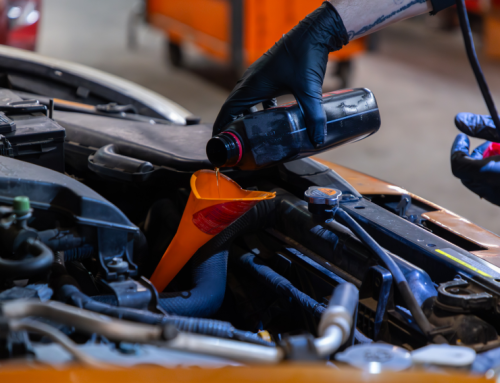
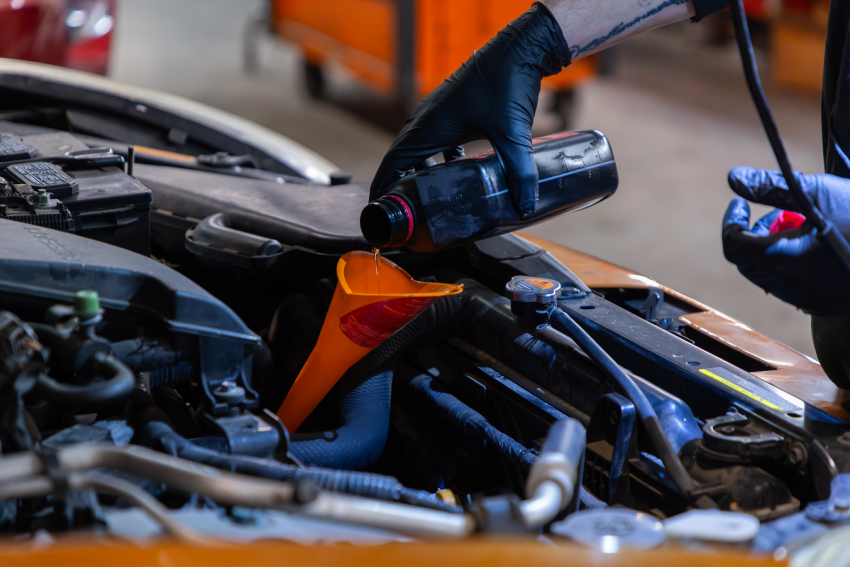
A cooling system flush replaces old, degraded coolant with fresh fluid and clears out the buildup that's accumulated in the radiator and hoses. It's routine maintenance, not a repair for a problem that's already happened, which is exactly why it's worth doing before a summer road trip rather than after you're stuck on the shoulder.