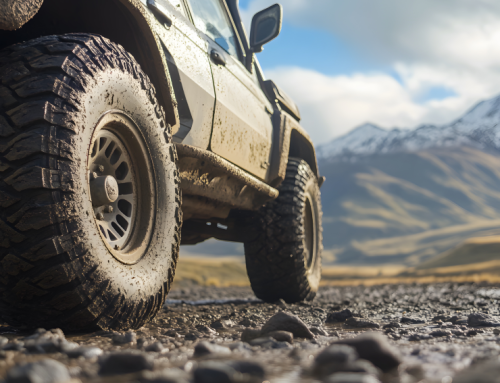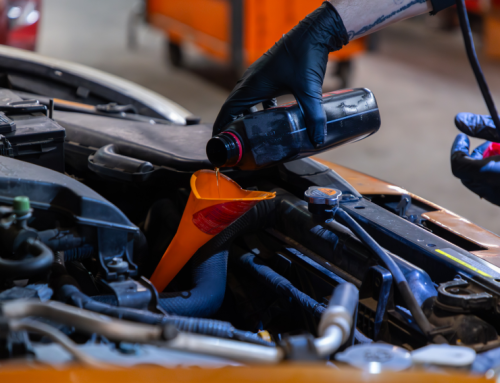
Tri-Lakes drivers deal with a different kind of road trip than most of the country. Elevation changes, mountain passes, and long stretches without a service station all put more stress on a vehicle than flat highway driving does, and the vehicle systems that matter most are often the ones that don’t show a problem until you’re already 40 miles from the nearest town.
Battery: The System Most People Forget
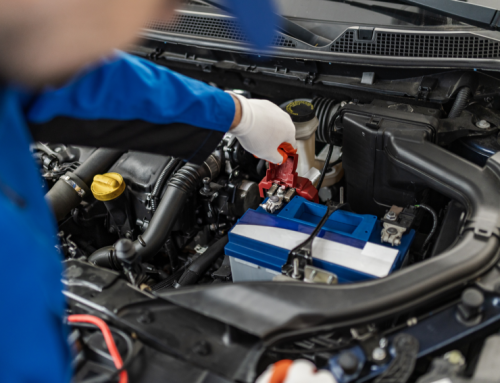
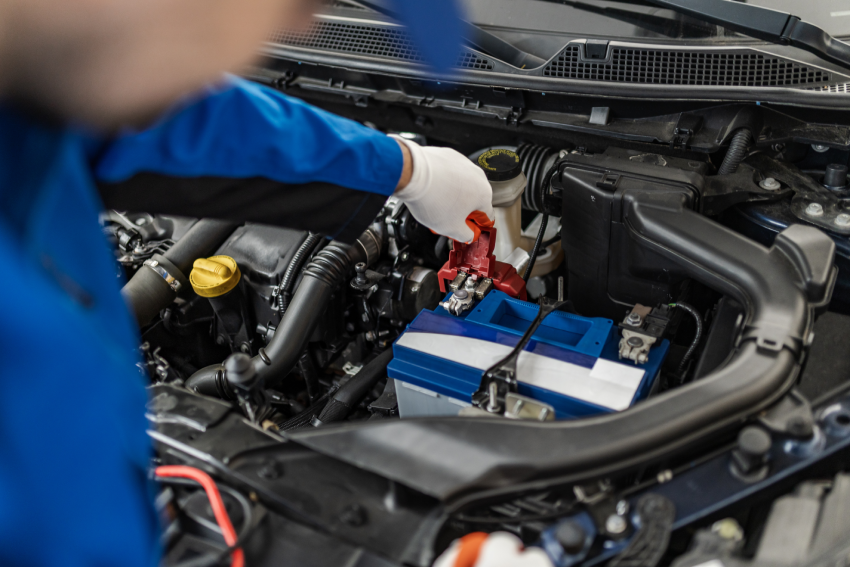
Summer heat degrades batteries faster than winter cold does, and a battery that’s already weakened by a hot summer is far more likely to fail somewhere without cell signal than in your driveway. A quick load test before a longer trip tells you what a visual check never will. (See our full battery guide for the specific warning signs to check.)
Cooling System: Built for Traffic, Tested by Mountains
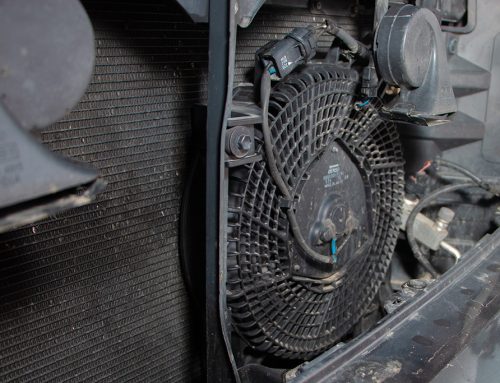
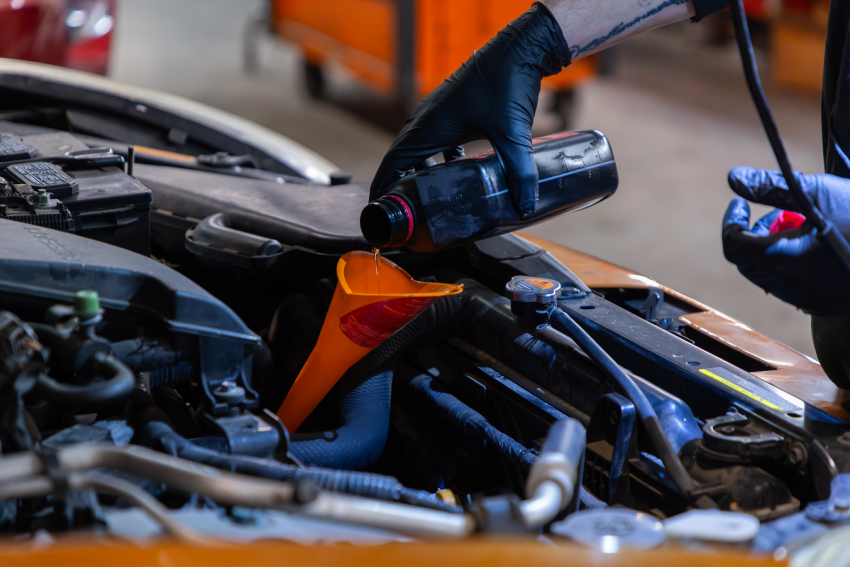
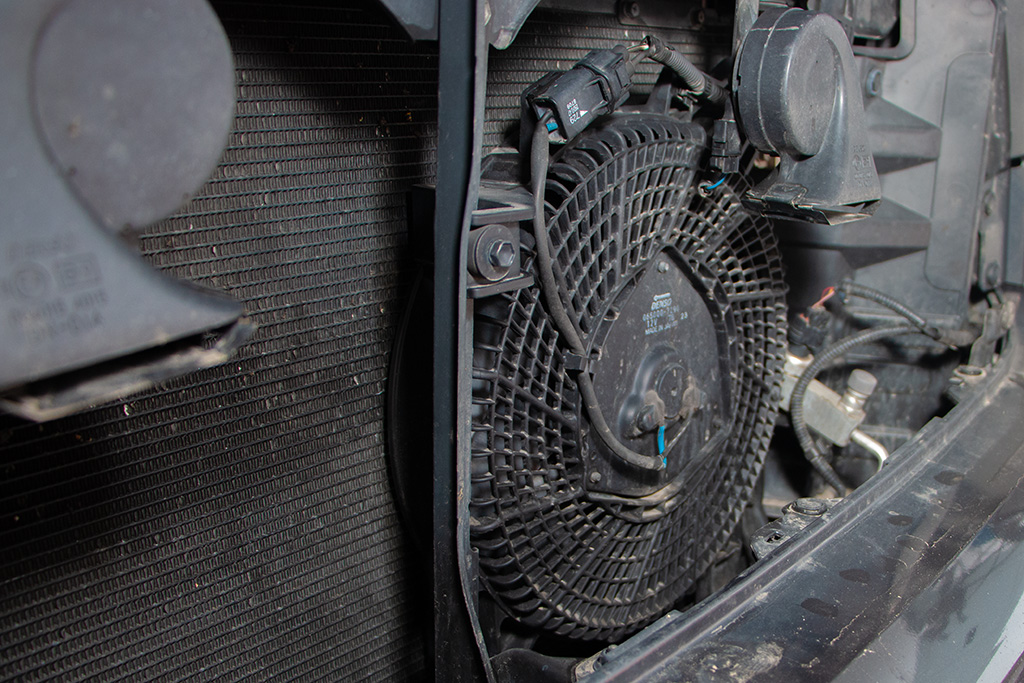
Mountain grades ask more of a cooling system than flat highway driving, since climbing puts sustained load on the engine for longer stretches. Old coolant and worn hoses that get by fine on daily errands can struggle on a long climb up Highway 105 or through the passes toward the mountains. (Our cooling system breakdown covers what to check before you go.)
Tires: Pressure Changes With Elevation
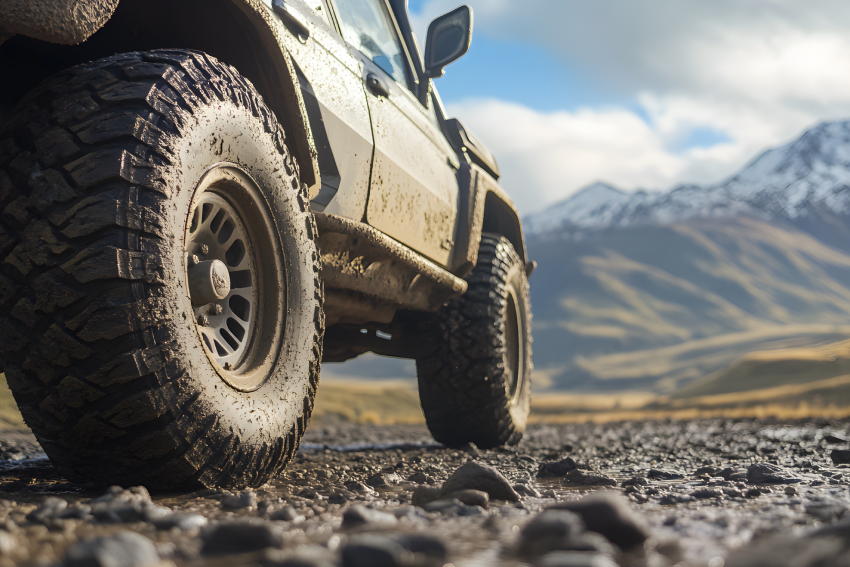
Tire pressure shifts with both temperature and altitude, and a tire set correctly at your driveway’s elevation can read differently a few thousand feet higher or lower. Check pressure cold, before driving, and check it again if your trip takes you through a significant elevation change.
Brakes: Mountain Descents Are a Different Kind of Wear
Long mountain descents rely on your brakes more continuously than city driving does, and repeated hard braking on a descent can build up heat faster than the brakes dissipate it. If your brake pads are already getting thin, a long mountain trip is where that shows up as reduced stopping power, not as a warning light.
Before You Go: A Pre-Purchase-Style Inspection Isn’t Just for Buying a Car
The same kind of full-vehicle inspection we do before someone buys a used car works just as well as a pre-trip check. It catches small issues — a weeping hose, a worn belt, uneven tire wear — while they’re still small, instead of finding them on the side of the road.
The Short Version
Test the battery, check the coolant, verify tire pressure at your actual departure elevation, and have your brakes looked at if it’s been a while. None of these take long individually, but together they’re the difference between a trip and a breakdown.